

Our Team
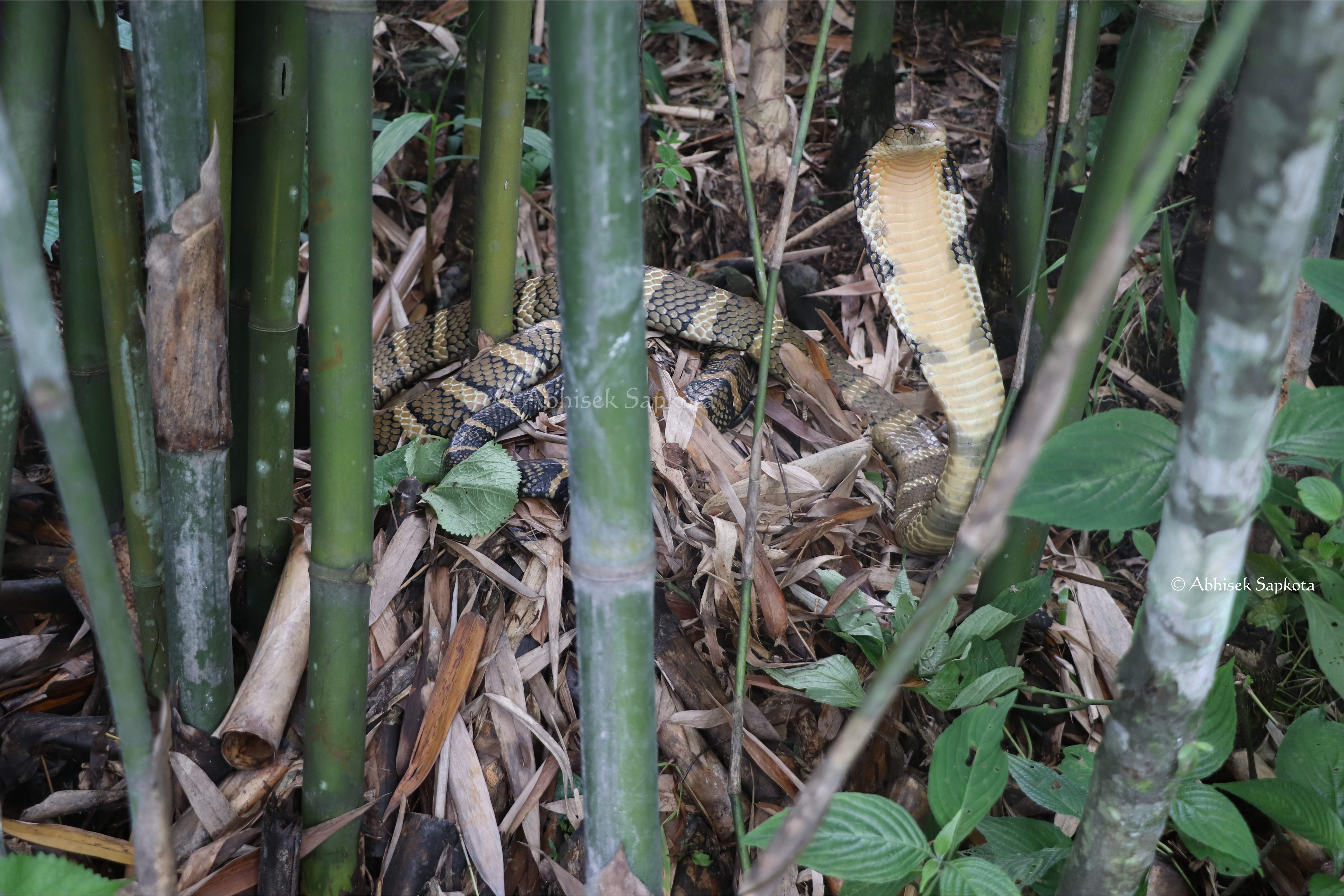
Project King Cobra: Nesting Site Protection, Behavioral Research, and Ecological Monitoring for Conservation Action
Since 2015, Project King Cobra has been dedicated to the long-term conservation and scientific study of the King Cobra (Ophiophagus hannah), the world’s longest venomous snake. Our efforts are focused on the protection, monitoring, and ecological research of nesting sites across key regions of Nepal, including Kaski, Syangja, Parbat, Myagdi, Kathmandu, Makwanpur, Dang, Palpa, and beyond.
This project combines nest site protection, habitat assessment, behavioral ecology, and long-term monitoring to address the growing threats faced by this apex reptile. Through community engagement, field-based observation, and scientific research, our team has been actively documenting nesting behavior, habitat use, human-wildlife conflict, and conservation challenges. The ultimate goal is to generate evidence-based strategies that ensure the survival of King Cobras in Nepal's rapidly changing landscapes.
Unique Nesting Behavior of the King Cobra
The King Cobra is the only snake species among more than 4,000 known worldwide that builds and actively guards its nest. Females construct elaborate nests using leaves and vegetation and remain with their eggs for 2 to 3 months, displaying a level of maternal care unprecedented in serpents. This remarkable behavior not only reflects the species’ ecological significance but also underscores the need to protect critical nesting habitats from disturbance and destruction.